You’ve decided to sell. The target date is a few months out. You know there’s work to do, but you’re staring at a blank notebook trying to figure out where to start.
Most sellers who run into problems during a sale do so because they started too late on the wrong things, skipped the property assessment step entirely, or ran out of time on tasks that took longer than they expected. Stuff like getting a resale certificate from an HOA, or finding a contractor/handyman who is available in the next three weeks. These are not things you want to discover at 30 days out from listing.
The 90/60/30 framework below is how to think about the pre-listing process and make it as stress-free as possible. A quick note: this list is not exhaustive, and it isn’t customized. If you would like a more in-depth list specifically for your home in Central Texas, contact me and I can do a walk-through and build it for you.
90 Days Out: Assess, Plan, and Decide
This phase is about gathering information before spending anything. Nothing gets bought or hired until a seller knows what they’re actually dealing with.
Walk the property honestly — or bring me in
Most sellers are too close to their own home to assess it the way a buyer would. They’ve stopped seeing the dated fixtures and the soft spot in the subfloor and the water stain that appeared two winters ago. My pre-listing walk-through covers every room, the attic, the exterior, and the mechanical systems. I’m looking for what a buyer and their inspector will find — because what a buyer’s inspector finds is what becomes the price reduction conversation. For a full breakdown of which repairs are worth making and which aren’t, see my separate post on pre-listing repairs in Round Rock.
Have the preliminary pricing conversation
At 90 days, this is not a formal listing agreement. It’s a realistic conversation about two numbers: what the home is likely to sell for in its current condition, and what it might sell for after improvements. That comparison determines whether the repairs in Category 1 are worth doing. If repainting and updating the flooring produces a $30,000 premium and costs $10,000 to execute, the math is clear. If a kitchen renovation costs $45,000 and produces a $20,000 premium, it’s clear the other way. Sellers who make repair decisions without this context often spend money on the wrong repairs/improvements.
Gather your documents — now, not later
Texas requires sellers to complete a Seller’s Disclosure Notice before a buyer makes an offer. That document is significantly easier to fill out accurately when you’ve been collecting paperwork since the beginning. Start gathering:
- HOA documents: governing rules, financials, recent meeting minutes, transfer fees, and current dues. If the HOA has any open violations on the property, find out now.
- Survey of the property (if you have one). Ordering a new survey at closing is expensive; using an existing one saves money.
- Permits for any additions, renovations, or structural improvements made while you owned the home. Unpermitted work is a disclosure issue and an inspection risk.
- Warranty documentation for appliances, HVAC, roof, or any systems with transferable warranties. Transferable warranties add real value to buyers.
Contact the HOA early if one applies
If the home is in an HOA, contact them now — not at 30 days out. Find out what the resale process requires and how long it takes to get a resale certificate. Some HOA management companies take three to four weeks. Finding that out the week before closing is how you delay a sale. Finding it out at 90 days gives you time to get the certificate ordered and any open violations addressed.
Start decluttering — seriously
Not cosmetic tidying. Real removal of items you plan to move, donate, or discard. Sellers who start this at 90 days arrive at 30 days with a home that is ready to photograph. Sellers who wait until listing week arrive at 30 days still packing boxes while the photographer is scheduled for Thursday. If clearing out the home involves renting storage, schedule it now. If it involves a junk removal service, book it now. This step always takes longer than sellers expect.
One of the best ways I’ve discovered to do this: take everything out of a room (besides furniture). Only put back what you plan to move with you. Everything else goes to a donate/discard pile. Do one room at a time and you’ll see the change, which keeps you from getting overwhelmed.
60 Days Out: Execute
The decisions from Phase 1 get executed here. The critical constraint at 60 days is contractor availability. In the Round Rock and greater Austin market, quality contractors are frequently booked two to four weeks out. If repairs need to be done before listing and you start calling contractors at 30 days, you will run out of time and have to push back your listing going live.
Complete repairs in priority order
Work through the repair list from the Phase 1 assessment, starting with non-negotiable fixes and then moving to high-ROI cosmetic updates. Interior paint and flooring updates are typically the first work scheduled. Curb appeal improvements can often be compressed into the final weeks of this phase. If I’m managing repairs — which I can do as a GC — this is when that work is coordinated and executed.
Get the HVAC serviced and documented
This is worth calling out separately from the general repair list. A professionally serviced HVAC with a recent service record goes to the buyer’s inspection in a completely different posture than one without documentation. In a Texas summer market — and Round Rock listings move heavily in spring and early summer — the HVAC is one of the first things buyers scrutinize once they’re under contract. Get ahead of it at 60 days, instead of after a buyer’s inspector flags it.
Order a pest inspection and treat if needed
Texas homes are subject to significant pest pressure. A seller who orders a pest inspection at 60 days — rather than waiting for a buyer’s inspector to flag it — has time to treat and document. A clean pest report at inspection is a non-issue. A termite problem discovered by a buyer’s inspector becomes an immediate negotiation.
Professional deep clean
A professional deep clean at the 60-day mark — followed by regular maintenance through listing — sets the foundation for photography and showings. Odors from pets, cooking, or smoking are worth addressing now. Sellers often don’t notice them; buyers always do. This is not the same as a standard cleaning before photography. It is a thorough top-to-bottom clean that takes the home to a baseline.
Begin the staging conversation
Whether a seller is hiring a professional stager or working through it with guidance from me, the conversation starts here. Which furniture stays, which goes, whether any rented staging pieces are brought in — these decisions take longer than sellers expect. Starting at 60 days means the home is staged before photography, not during it.
Address exterior and curb appeal
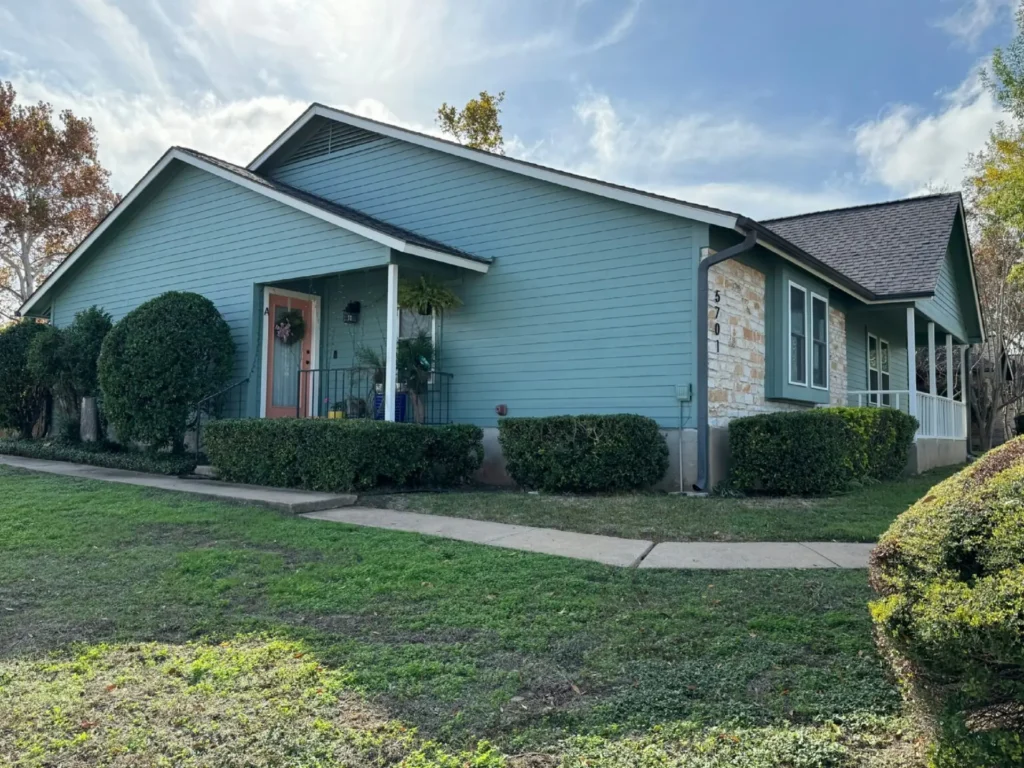
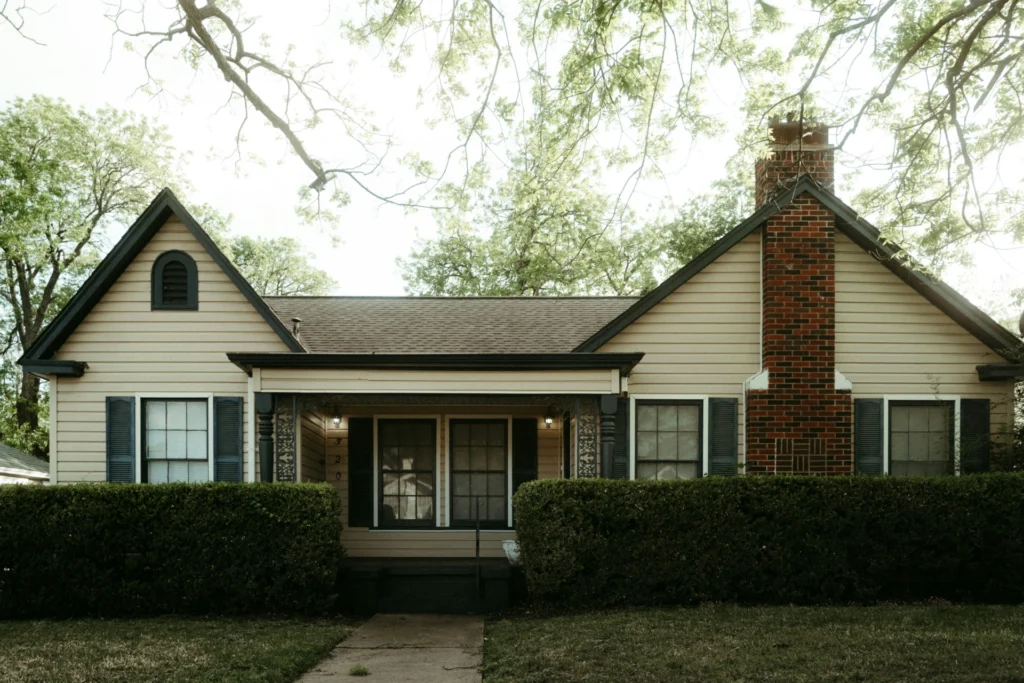
Power wash the driveway and walkways. Freshen the landscaping. Repaint or replace the front door if it needs it. Clean the gutters. Repair any fence damage. Everything visible from the street is part of the listing before the front door is ever opened. Buyers form their first impression in the first 30 seconds on the street – they are envisioning themselves parking here and going into their home – and that impression shapes everything that comes after.
Confirm your listing timeline
By 60 days out, a seller should have a target listing date and be working backward from it. If repairs are running behind or a document is still missing, 60 days gives time to adjust without a crisis. This is the last checkpoint before the final sprint.
30 Days Out: Finish, Stage, and Go Live
The heavy lifting is done. Phase 3 is about precision — making the home look exactly right for photography, showings, and the listing launch.
Final walk-through and touch-ups
Walk every room with fresh eyes. Replace burned-out light bulbs — all of them; dark bulbs in listing photos are a small thing that signals a neglected home. Tighten every cabinet door and drawer. Check all light switches and outlets. These are small details, but buyers notice them.
Stage the home
Staging is not decorating — it is editing. The goal is to make each room feel as spacious, well-lit, and neutral as possible. One important detail for this part – every room needs to be showcased for its designed purpose. If you converted your formal dining room into a home office, that’s fine – but buyers are going to walk in and get confused where the dining table is supposed to go. This is the time to make it look like a dining room again.
If a professional stager is involved, this is when they execute the final plan.
Professional photography
Photography quality directly affects how many buyers click on a listing. In the Round Rock market, a significant percentage of buyers are relocating from out of state — California, the Pacific Northwest, and other high-cost markets are well-represented. For those buyers, the photography is the essential first showing. Listings with sharp, well-staged photography perform better than those without. This is not optional, and I coordinate it as part of the listing process.
Complete the Seller’s Disclosure Notice
Texas law requires sellers to complete a Seller’s Disclosure Notice, which covers the property’s condition across a long list of systems and features. It must be provided to buyers before they make an offer. Sellers who collected their documentation in Phase 1 will find this form manageable. Sellers who ignored it until now will find it stressful. Complete it now with my guidance on anything that needs clarification.
Set the listing price
At 90 days, the pricing conversation was preliminary. Now it’s final. I provide a Comparative Market Analysis based on recent comparable sales in Round Rock and the specific condition and improvements of the property. The listing price is set here, grounded in actual data. In a market where buyers are increasingly well-informed, a home priced correctly from day one performs better than one that starts high and sits.
Plan the showing strategy
Decide in advance how showings will be handled: lockbox access, scheduled showing windows, or agent-accompanied. In the Round Rock market, homes with flexible showing access typically receive more offers faster. If the seller will be living in the home during the listing period, think through how the disruption of daily showings will be managed before it starts.
Time the listing launch
Listing day in the Austin-area market matters. Tuesday through Thursday listings typically generate more weekend showing traffic than Monday or Friday listings. I coordinate the launch for maximum early-week momentum so the home arrives at its first weekend with the best possible showing schedule already building.
Ready to Build Your Pre-Listing Plan?
The sellers who have the smoothest sale experiences are the ones who started with a clear plan and executed it in the right sequence. The 90/60/30 framework above works. It works even better when it’s guided by someone who knows the condition of the home going in and knows what the market wants on the other side.
I bring both to the table. As a GC, I assess what a home needs before a buyer’s inspector does. As a licensed realtor, I know what the Round Rock market will and won’t reward. That combination means the plan I build with each seller is based on real information, not guesswork.
If you’re planning to sell in Round Rock and want a pre-listing walk-through and a real plan before you commit to anything, contact me directly. No obligation in the first conversation — just an honest assessment of where your home stands and what it needs.