It’s the week before you’re planning to list, and you’re doing what every seller does at some point: scrolling listings in your own market to see what you’re up against. A few new-construction homes come up — Wolf Ranch, Morningstar, maybe a fresh build out toward Sun City — with bright photos, clean lines, and finishes that have never been touched. Then you look around your own kitchen. The counters are original. So is the lighting. The roof is getting up there. Your house isn’t new, and for a second, it feels like that’s the whole problem.
It isn’t, and here’s the more useful way to think about it: you’re not competing dollar-for-dollar with a brand-new home, and you don’t need to. What you’re actually competing for is a buyer’s confidence — the sense that this house has been taken care of and won’t come with surprises. That’s a much lower bar than “make it look new,” and it’s a bar an established home can clear without a renovation budget that doesn’t come back at closing.
I’m Andrew Clements — a licensed realtor and a licensed General Contractor working across Georgetown and the greater Austin area. Before a home of mine goes on the market, I walk it the way a GC would, not just the way an agent would. That means I can tell a seller specifically which fixes close the gap with newer listings, which ones are a waste of money, and which ones are going to come up in inspection no matter what. That’s what this post walks through.
The Framework: Three Categories of Repairs
Before getting into specific items, it helps to sort everything into three buckets. Almost every repair or improvement a seller considers falls into one of these.
Repairs that move the needle are the ones where the return at sale is worth more than what you put in. In Georgetown in 2026, that mostly means the fixes that close the “this feels dated” gap for a buyer who’s also looking at something newer down the road. These are usually the smallest checks to write and the biggest difference-makers in how a home is perceived.
Repairs that don’t pay back are real improvements that just don’t return their cost in a resale, especially when the buyer’s alternative is an actual new-construction home. If you’re going to spend real money chasing “new,” a buyer can just go buy new — and at a similar price point, they often will. Money spent trying to out-new a new build is money that doesn’t come back.
Non-negotiable fixes are the items that will surface in a buyer’s inspection no matter how old or new the house is, and ignoring them doesn’t make them go away — it just means a buyer’s inspector finds them first and uses them as leverage.
My process starts here. I walk the property, sort what I see into these three categories, and give a seller a clear, specific picture of where their money will work for them — and where it won’t — in the context of what else is actually on the market in Georgetown right now.
Repairs That Move the Needle in Georgetown
Fresh paint and updated light fixtures. If there’s one thing that signals a home’s age to a buyer faster than almost anything else, it’s builder-grade light fixtures and tired paint colors.
Swapping out dated fixtures for simple, updated ones and repainting walls in current colors is inexpensive relative to its impact — and it’s often the single fastest way to make a 20-year-old home stop reading as a 20-year-old home the moment a buyer walks in.
Updated hardware and faucets. Cabinet pulls, faucets, switch plates, and cabinet hinges are small-dollar items, but replacing them throughout a kitchen and bathrooms changes the feel of those rooms without a remodel. It’s the kind of detail that doesn’t register consciously with a buyer — they just feel like the kitchen is “done,” even though nothing structural changed.
Flooring in the main living areas. Worn carpet or dated flooring in the rooms a buyer sees first — the entry, living room, hallways — is one of the most common things that makes a home feel older than it is. Replacing flooring in those high-visibility areas tends to be worth it, even when the rest of the home’s flooring stays as-is.
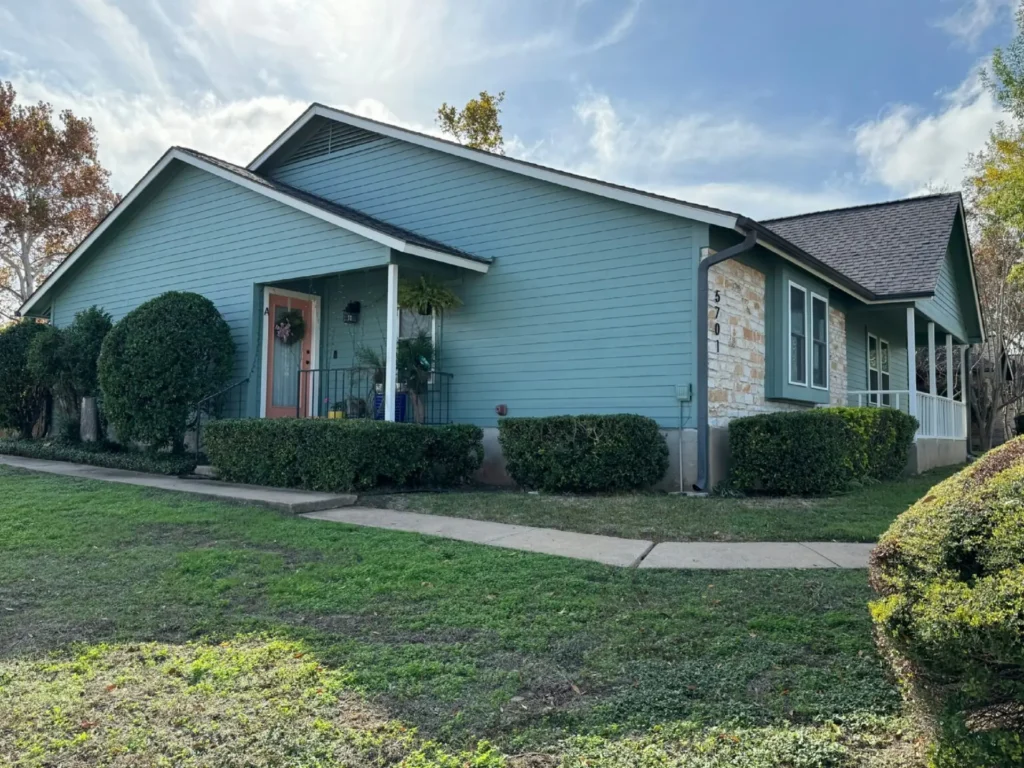
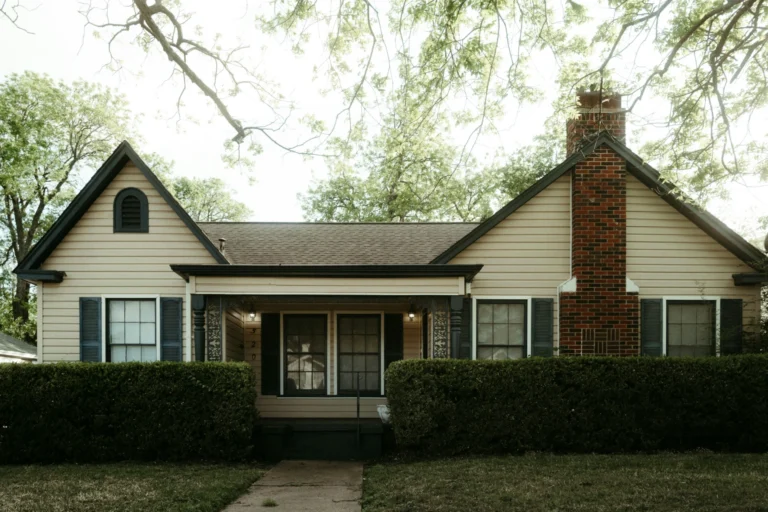
Exterior refresh: paint, landscaping, and the front door. New-construction model homes spend real money on curated exteriors, and buyers absorb that look before they ever get out of the car. A fresh coat of exterior paint where it’s needed, cleaned-up landscaping, and a updated front door go a long way toward putting an established home in the same visual category as the new builds a buyer has been touring — without anywhere close to the same price tag.
An additional note on the landscaping: this is a key differentiator with new construction homes. If you have 20+ year old oaks, no new construction can compete with that. Get an arborist out to make them look perfect and you will get some attention.
These are starting points based on what tends to move the needle in resale markets like this one. When I walk a specific property, I can tell a seller which of these actually apply to their home and which ones aren’t worth the time.
Repairs That Don’t Pay Back in Georgetown
Full kitchen or bathroom remodels. This is the one sellers ask about most, and it’s almost always the wrong move for an established home trying to compete with new construction. If a seller spends the money to fully gut and redo a kitchen, the home is now competing more directly with a brand-new build in the same price range — and a buyer choosing between a remodeled older home and an actual new-construction home will often still pick the new build, all else equal. The remodel doesn’t win that comparison, and the cost of it rarely comes back at closing.
Replacing major systems before they need it. An HVAC system or roof that’s working and has years of life left doesn’t need to be replaced purely to make the home feel newer. That’s a different situation than a system that’s actually failing or near the end of its life — which falls into the non-negotiable category below. The distinction is condition, not age.
Highly personal upgrades. Bold accent walls, custom built-ins designed around one family’s specific taste, or any feature that reflects how you live rather than how most buyers picture themselves living — these should be neutralized before listing, not added to. Money spent making a home more personal is money spent making it harder for the next buyer to picture themselves there.
The pattern across all three: when the comparison set includes actual new construction, partial improvements to an older home don’t close that gap, and full improvements cost more than they return. The fixes that work are the ones from the section above — the ones that remove the “dated” signal without trying to manufacture “new.”
Non-Negotiable Fixes — What You Can’t Afford to Ignore
Foundation issues. Central Texas soils move, and Georgetown is no exception. Sticking doors, cracks at wall corners, or visible gaps between walls and ceilings can mean normal settling — or they can mean something a buyer’s inspector is going to flag and use to renegotiate. I assess which one it is before a buyer’s inspector does, so a seller knows what they’re dealing with ahead of time instead of in the middle of closing.
Roof condition. Texas homeowners insurance carriers have gotten noticeably stricter about roof age and condition over the past few years. A roof that’s in rough shape can create an insurance problem for a buyer that has nothing to do with price, and that kind of issue can stall or kill a deal regardless of how well everything else in the home shows.
Plumbing, drainage, and water stains. Active leaks, slow drains, or water staining under sinks or around windows read as “what else is wrong” to both a buyer and their inspector, even when the underlying issue is minor. These are worth addressing before listing, not explaining away during negotiations.
The electrical panel. Homes from certain eras may have panels that are now considered inspection red flags — and increasingly, insurance red flags as well. If a panel is on that list, it’s better to know and address it before a buyer’s lender or insurer flags it.
The attic. Pest activity, moisture, or improperly done repairs in the attic are common in homes that have been lived in for a couple of decades, and they’re exactly the kind of thing a buyer’s inspector checks closely. My background as a GC means I know what I’m looking at up there — not just that something looks off.
The goal with this category isn’t to scare anyone — it’s to make sure a seller hears about these things from me, before a buyer’s inspector finds them and uses them as leverage at the worst possible time in the process.
What a Pre-Listing Walk-Through Looks Like in Georgetown
Before any listing conversation, I walk the property and look at the systems most realtors don’t: attic, foundation, roof, electrical/plumbing, and everything in between. Then, I sort what I find into the three categories above. For anything I’d recommend, I can give a realistic cost estimate, because I’m pricing it as a contractor, not guessing at what a contractor might charge.
If a seller has a specific budget (say, $5,000 or $10,000 to put into the home before it lists), I can tell them exactly where that money does the most work, with the Georgetown comparison set in mind. The goal isn’t to make an established home look brand new. It’s to make sure that when a buyer walks through, nothing makes them think twice — and nothing that should have been caught before listing gets caught by their inspector instead.
For sellers who want it, I can also manage the work itself (from the initial assessment through completion) as the GC. That means not having to find, vet, and manage a separate contractor for repairs before a sale, which is its own source of stress most sellers don’t need. And if the necessary repairs are above your budget, I can go through some creative solutions to get it done and get your home listed (just ask me about what options are on the table).
Ready to Get a Straight Answer on What Your Home Needs?
Every seller of an established home in Georgetown ends up wondering how it’ll compare to the new construction down the road. The answer isn’t a full remodel, and it isn’t doing nothing; rather, it’s knowing exactly which fixes close the gap and which ones don’t matter at all.
If you’re getting ready to sell a home in Georgetown and aren’t sure what it needs before it goes on the market, contact me directly. I’ll walk the property, tell you what actually matters, and help you build a plan that puts your money in the right places.